
Your Secrets Stay Home: Underdog, the Assistant That Never Leaves Your Laptop
Published: 22 October 2026 | Updated: 22 October 2026 Quick summary (TL;DR): The Underdog AI assistant from Conway Research runs entirely on your Mac or Windows PC, so no AI company’s server reads your emails, calendar or notes. It is free and ad-free at launch, and Conway plans to earn a small, undisclosed cut of […]
Continue Reading
Always Listening, Always Helping? Meet Ambi, the AI That Works While You Talk
Published: 16 October 2026 | Updated: 16 October 2026 The problem You walk out of a meeting with three action items in your head. By lunch you remember two. By evening you remember one, and you can’t recall who promised what. Note-taking apps help, but only after the fact. You record, wait, and then read […]
Continue Reading
A Senior PR Pro in a Box? Meet Honeyjar, the AI That Knows When Not to Pitch
Published: 15 October 2026 | Updated: 15 October 2026 Quick answer: Honeyjar AI is a PR and communications platform that finds the right reporters, drafts pitches and announcements, spots opportunities and tracks coverage. A human always reviews and sends. The only reported price is $250 per seat a month for early adopters (December 2025), and […]
Continue Reading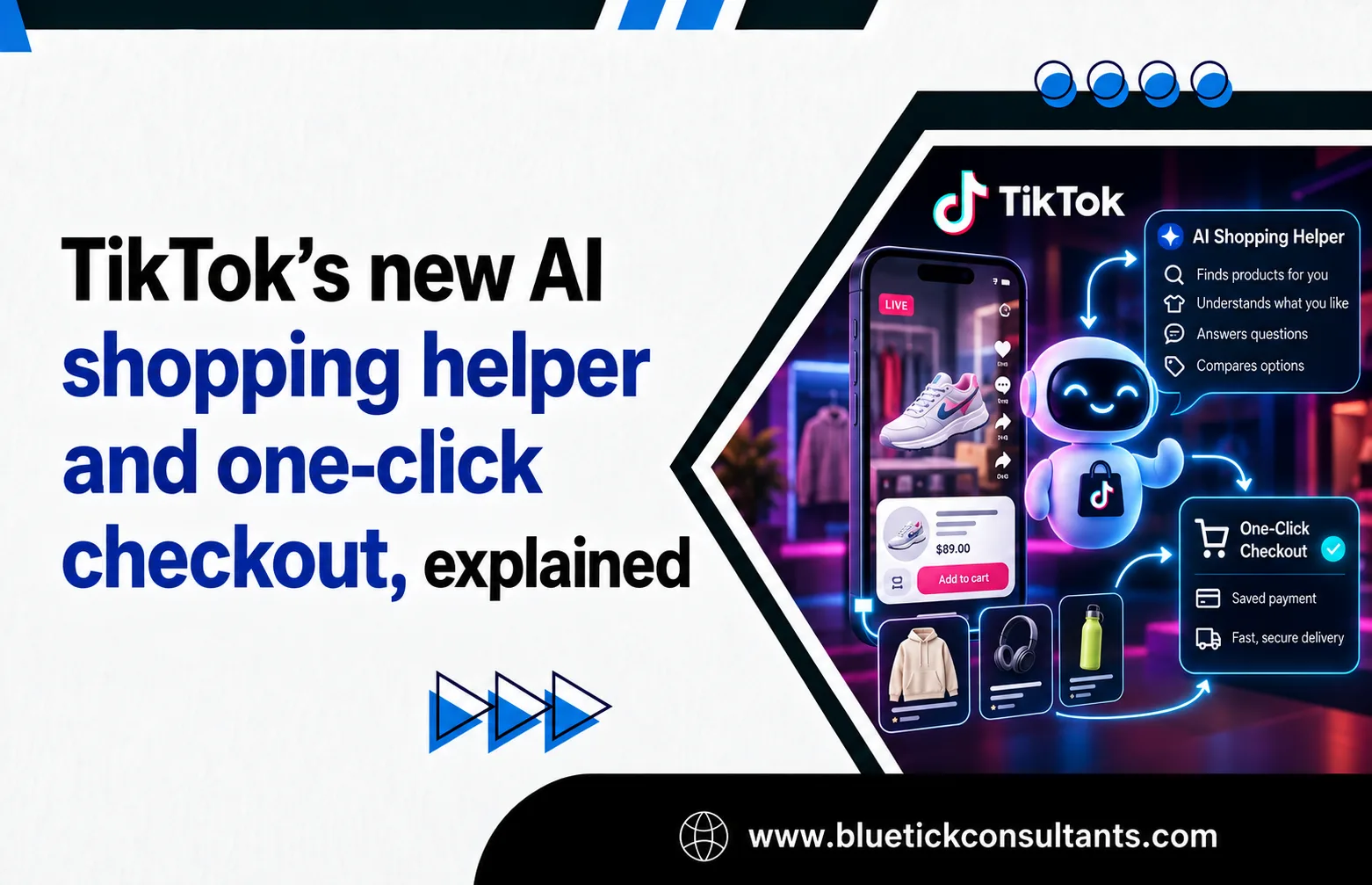
TikTok’s new AI shopping helper and one-click checkout, explained
Published: 9 October 2026 | Updated: 9 October 2026 Short answer: The TikTok AI shopping assistant is a chat window on a brand’s product page that answers questions about sizing, delivery and stock. Buy Direct is a one-click checkout in the For You feed. TikTok announced both on 5 October 2026. Bottom line: Both are […]
Continue Reading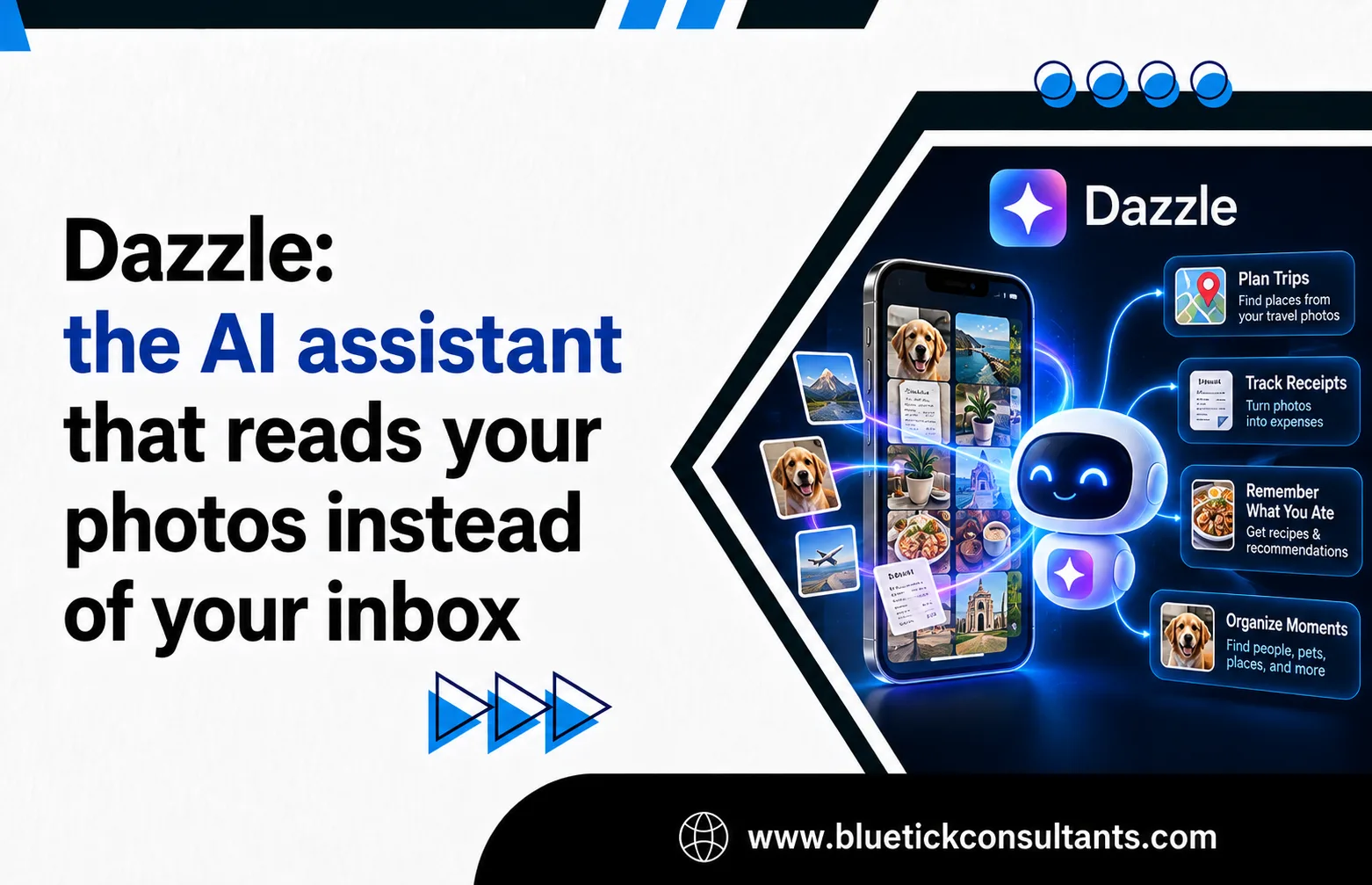
Dazzle: the AI assistant that reads your photos instead of your inbox
Published: 8 October 2026 | Updated: 8 October 2026 Short answer: The Dazzle AI assistant is a personal AI assistant from Marissa Mayer’s startup, Dazzle AI, launched on 29 September 2026. It learns about you from your camera roll instead of your email. It turns recent photos into tasks and older photos into ideas. Bottom […]
Continue Reading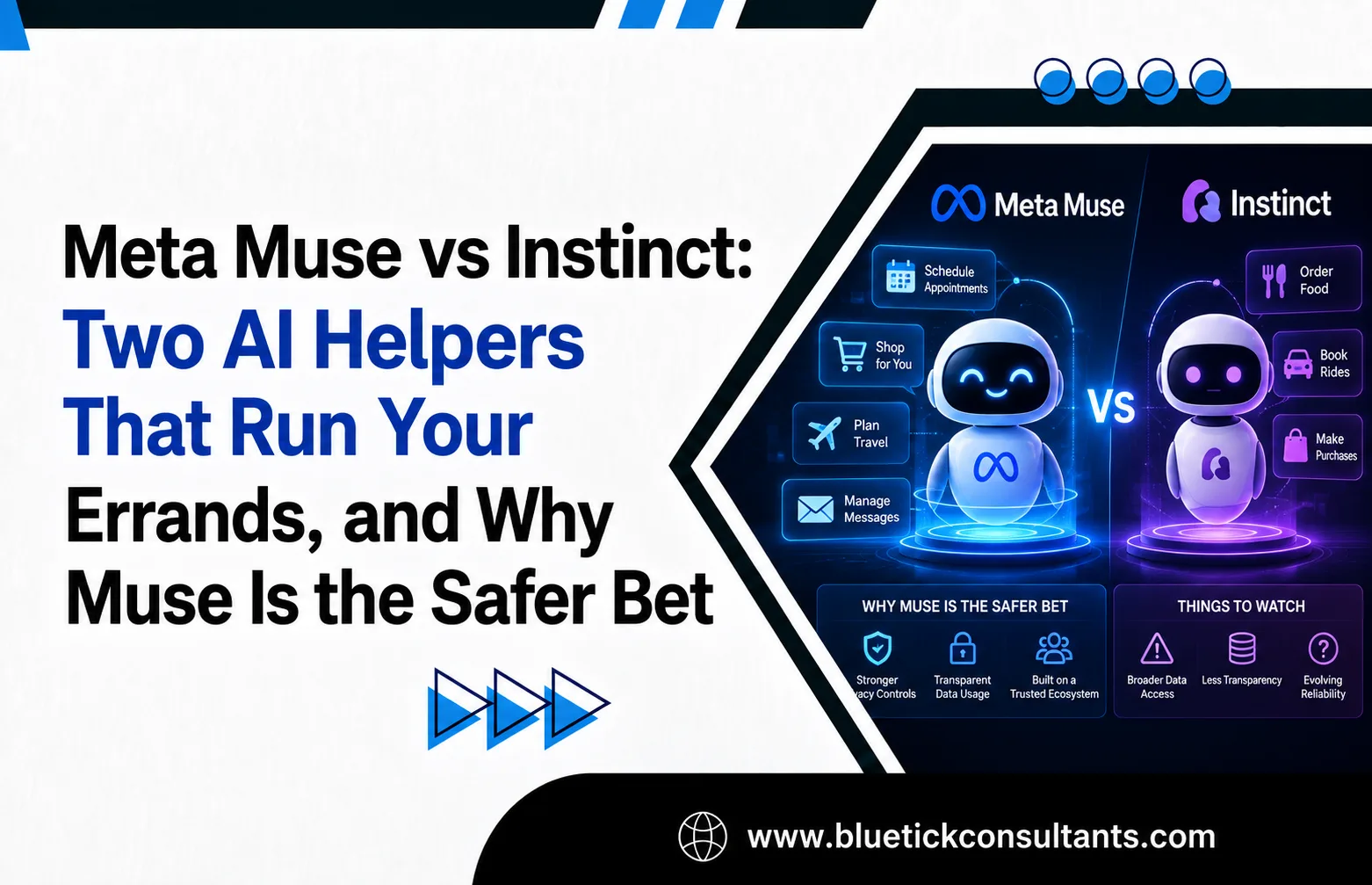
Meta Muse vs Instinct: Two AI Helpers That Run Your Errands, and Why Muse Is the Safer Bet
Published: 1 October 2026 | Updated: 1 October 2026 Short answer: In the Meta Muse vs Instinct comparison, Muse is the safer pick for most people. It is free to start in the US and Canada, never shows your real passwords to the AI, and needs your approval before risky actions. Bottom line: Instinct may […]
Continue Reading